If you have spent any time scrolling through project portfolios on platforms like Eduwik or looking at the winners of the Rethinking The Future Awards 2026, you have likely seen the term "space optimization" thrown around like confetti. It sounds expensive, sophisticated, and vaguely corporate. But let’s cut the fluff. In my ten years of coordinating office fit-outs and sitting through agonizing punch-list meetings, I’ve learned that space optimization isn’t about buying fancy furniture or picking a trendy color palette. It’s about making a building actually do what it’s supposed to do.
Before we ever talk about "making it modern"—a phrase I despise because it usually means "expensive and impractical"—I ask one question: Where does the daylight come from? If you aren't orienting your functional zones around the natural light, you aren't optimizing space; you’re just decorating a basement, regardless of the floor you’re on. Let’s break down the space optimization meaning and how you can apply it without wasting your budget on "trendy" materials that will be scratched, stained, or broken within six months.
What is Space Optimization, Really?
At its core, space optimization is the art and office space planning science of aligning your physical square footage with your actual human behavior. It is efficient layout planning that ensures every square inch of your leasehold has a purpose. When I walk into a space, I’m not looking at the wallpaper. I’m looking at the columns, the ceiling heights, and the window placement.
Giant tech firms like Google, Apple, and Microsoft don't design their HQs because they have unlimited cash; they do https://smoothdecorator.com/the-anatomy-of-an-office-how-structural-planning-defines-success/ it because they understand that an inefficient layout kills productivity. If your employees have to walk past three noisy departments to reach a printer, or if your "focus zone" is positioned directly under a high-traffic HVAC vent, you have failed at space optimization. You haven’t saved space; you’ve created a bottleneck.
Structural Planning: The Foundation of Usable Area
Structural planning is the skeleton of your project. If you ignore where the structural columns are, you’re setting yourself up for a disaster during the MEP (Mechanical, Electrical, and Plumbing) phase. I’ve seen countless projects go sideways because the interior designer wanted a "clean, open-plan look" that required moving a load-bearing element that would have cost a fortune.
Usable area planning requires you to respect the bones of the building:
- Column placement: Don't fight them; integrate them. They can be used as natural room dividers or anchors for custom cabinetry. Ceiling heights: Dropping a ceiling for aesthetic reasons in a room that is already height-constrained makes a space feel claustrophobic. If you need to hide ductwork, be strategic, not lazy. Window rhythm: Never block a window with a partition wall unless you absolutely have to. Light penetration is the most valuable "material" in your design.
The Lighting Strategy: Why Light Dictates Layout
I cannot stress this enough: stop picking paint colors before you decide where the light falls. I’ve seen offices spend thousands on high-end lighting fixtures to compensate for a layout that blocks the sun. If you place your permanent workstations deep in the floor plate, away from the windows, you are effectively paying for two types of energy: the electricity to light the space, and the lower morale of your team.
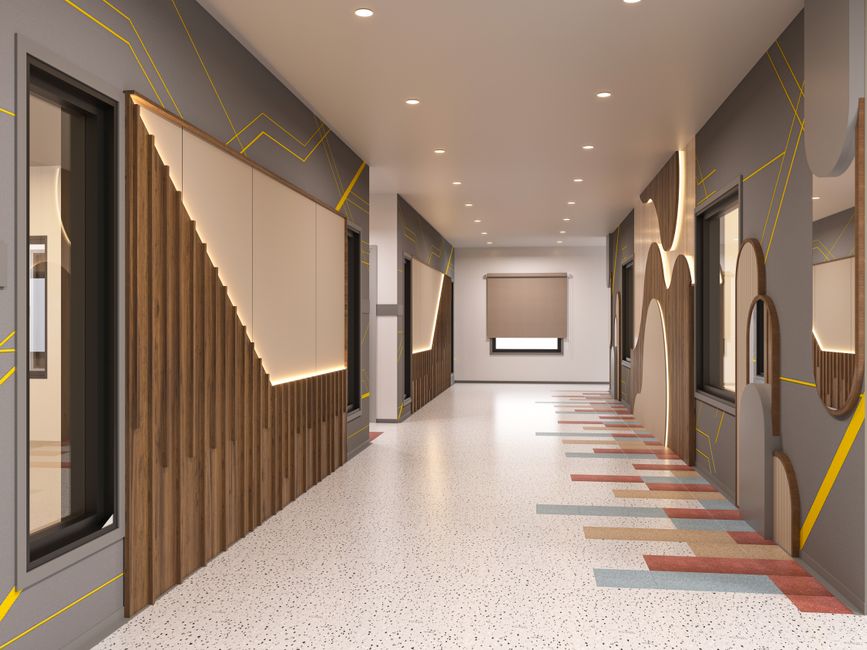
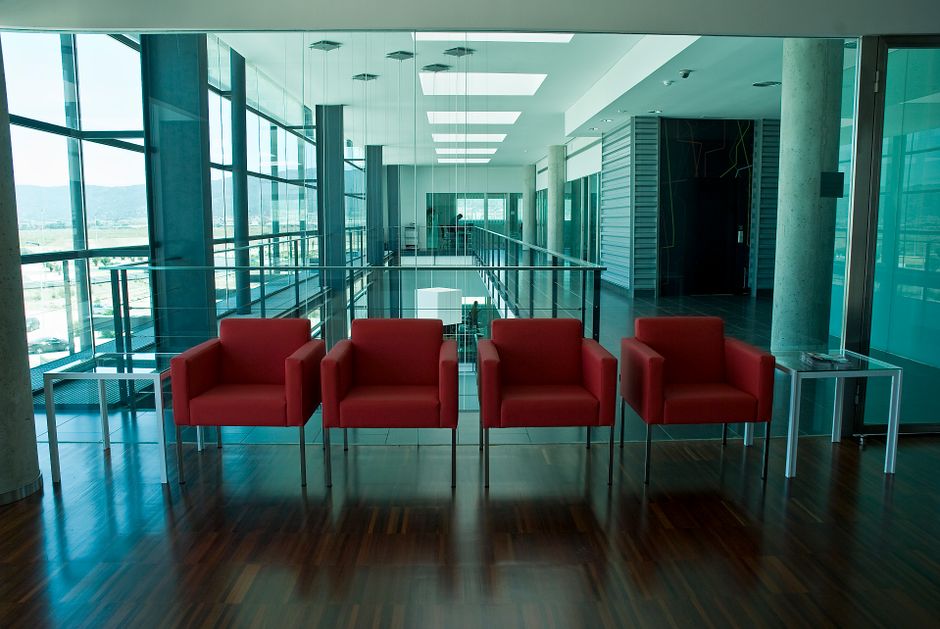
Space optimization means prioritizing the "golden zones" of your floor plan for people, not for storage or oversized communal tables that never get used. Use high-traffic areas for your circulation paths, and save the window-adjacent perimeter for where people spend the most time focusing.
Functional Zoning: Solving for Noise and Privacy
The "open-plan" trend was meant to foster collaboration, but often it just fostered a culture of noise-canceling headphones. True space optimization uses functional zoning to balance the need for collaboration with the reality of human focus.
The Hierarchy of Zones
You need to map your office like a city. You wouldn't put a loud, industrial factory next to a quiet public library. The same logic applies to your floor plate:
Zone Type Noise Level Optimal Placement Collaboration/Cafe High Near the entrance/Elevator core Flex/Project Desks Medium Adjacent to collaborative areas Focus/Quiet Rooms Low Perimeter away from high-traffic pathsMy Running List of Small Layout Fixes That Save Big Money
Over the years, I’ve kept a "cheat sheet" of minor adjustments that prevent massive, expensive rework during the punch-list phase. Here are a few:
Flush Power Placement: Get your power requirements early. Moving a floor box after the concrete is poured is a nightmare. Plan them based on desk layouts, not just where it "looks symmetrical." Standardized Partition Heights: Use modular partitions that don't reach the ceiling. This allows light and air to flow, meaning you don’t have to re-engineer your entire HVAC system for every new closed-off room. The 3-Foot Rule: Ensure every major circulation path is at least 3-4 feet wide. Anything less, and you're creating a "bottleneck" that disrupts the flow and creates collision points that get annoying fast. Avoid "Trendy" Finishes in High-Traffic Zones: Don't put white porous stone on a reception desk or high-gloss flooring in a high-footfall zone. It will look like a wreck in three months. Choose durability first, aesthetics second.Conclusion: Stop "Making it Modern" and Start Making it Functional
When someone tells me they want to "make the space modern," I ask: "What does that actually mean to your workflow?" If they can’t answer, we go back to the floor plan. Are you optimizing for the way people actually move, work, and collaborate? Or are you optimizing for a photo in a design magazine?
By focusing on structural reality, natural light, and intentional zoning, you move away from the expensive "decorative" trap. Whether you are building a boutique office or a massive campus like those managed by Microsoft or Google, the principles remain the same. Respect the building, map the light, and keep the circulation clear. Your punch-list will be shorter, your budget will stay intact, and your occupants will actually thank you for a space that works.
If you want to stay updated on how these design principles are evolving, check out the resources from Eduwik or look at the case studies from the Rethinking The Future Awards 2026. Just remember: if the design doesn't solve a problem, it’s just decoration.