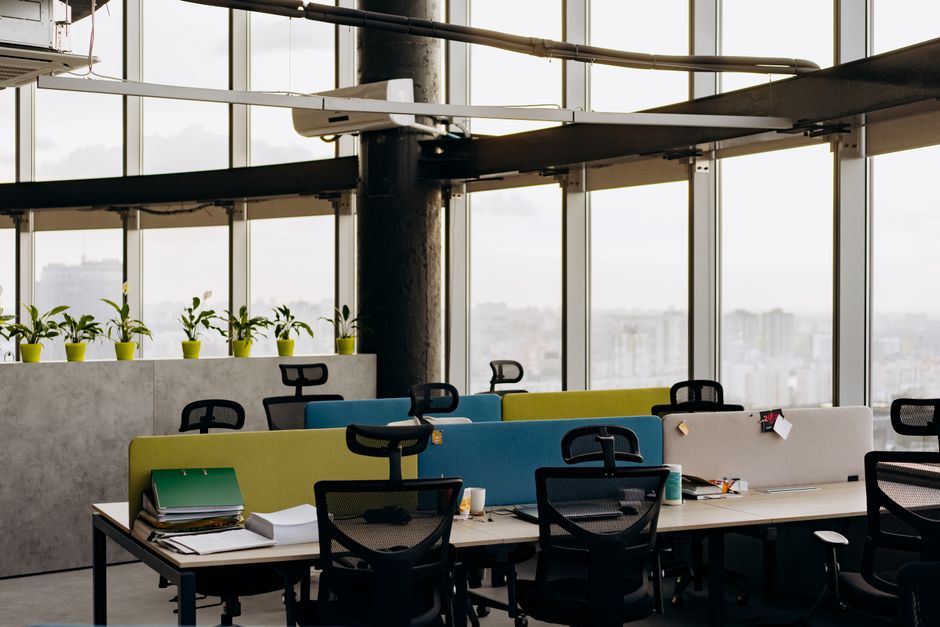
As the modern office landscape continues to evolve, the concept of the flexible workspace has taken center stage in corporate real estate and workplace design discussions. But what exactly does flexible workspace meaning entail, and does it truly deliver on its promises? In this comprehensive post, we’ll explore how adaptable office design addresses the needs of today’s hybrid work environments, the role of multi-purpose office areas, and how companies can strike the perfect balance between collaboration and privacy.
Understanding Flexible Workspaces: A Definition
At its core, a flexible workspace is an office layout composed of adaptable features and spaces that can easily be reconfigured to suit changing business needs and workforce preferences. It contrasts sharply with traditional static office designs where desks and rooms have fixed purposes.
Flexible workspaces typically include modular furniture, multi-purpose zones, “hot desks,” and dynamic meeting areas designed for varying team sizes and activities. The goal is to create an environment that responds to ongoing shifts in work patterns rather than constraining employees within rigid spatial structures.
Flexible Workspace Meaning and Key Characteristics
- Adaptability: The ability to change spatial arrangements quickly and with minimal cost or effort. Multi-purpose Areas: Zones that support different functions, from focused individual work to brainstorming sessions or informal socializing. Technology Integration: Seamless connectivity and digital tools that enable remote and hybrid collaboration. User-Centered Design: Layouts informed by actual workflows and user behaviors rather than assumptions.
The Rise of Hybrid Work and Changing Expectations
The global shift toward hybrid work models—where employees split time between office and remote work—has transformed workplace expectations. According to an insightful article from Harvard Business Review, workers increasingly demand flexibility not just in schedules but also in work environments.
Gone are the days when having a personal desk was a requirement. Employees now prioritize workplaces that accommodate diverse activities such as focused work, spontaneous meetings, or virtual collaborations. A flexible workspace supports these varied needs seamlessly.
For business owners and facilities teams, this means rethinking office design to accommodate fluctuating occupancy and diverse work styles. The gig economy, remote-first culture, and technology-driven communication platforms have all contributed to this shift.
Flexible Layouts and Multi-Purpose Zones: What Makes Them Work?
Successful adaptable office design leverages space efficiently by integrating zones that serve multiple workplace planning purposes throughout the day. Here are some common strategies employed by industry leaders like Lum Chang Brandsbridge, whose innovative commercial fit-outs focus on practical, user-centered solutions:
Modular Furniture: Easily movable desks, chairs, and partitions enable quick reconfiguration to suit different team sizes or activities. Open Collaboration Zones: Casual seating areas designed to encourage brainstorming and informal meetings. Quiet Zones: Soundproof booths or private rooms facilitate concentration and confidential discussions. Flexible Meeting Rooms: Equipped with digital collaboration tools, these rooms adapt to both in-person and virtual meetings. Shared Amenities: Spaces such as cafés and lounges that promote social interaction and wellbeing.Multi-purpose office areas do not just maximize footprint efficiency—they also cater to human behaviors and workflows. For example, an open lounge may transform from a morning coffee spot into an evening networking hub, extending the utility of the same physical space.
Case Study Example: Practical Implementation
Lum Chang Brandsbridge’s recent office fit-out in Singapore exemplified these principles by creating a layered workspace with clear zones designed around employee feedback and actual work modalities. With an emphasis on natural light and sightlines, their design ensured that employees could easily transition between collaborative work and focused individual tasks, encouraging productivity without sacrificing comfort.

Design Based on Real Workflows: Why It Matters
One of the biggest mistakes companies make in office redesigns is relying on outdated assumptions about how work happens. Instead, a well-designed flexible workspace starts with data—observing actual workflows, understanding task sequences, and identifying collaboration hotspots.
According to Harvard Business Review, workplace designs grounded in real-world usage data significantly enhance user satisfaction and productivity. When spaces align with workflows, employees spend less time adapting their environment and more time focused on meaningful work.
Methods for capturing real workflow data include:
- Employee surveys and interviews Observation and time-motion studies Desk and room usage analytics through smart sensors Collaboration usage patterns via digital tools
With this insight, designers can tailor multi-purpose office areas that genuinely address the dynamic needs of hybrid teams.
Collaboration vs Privacy: Striking the Right Balance
The flexible workspace trend often highlights open-plan offices and collaboration zones, but one must not overlook the essential need for privacy in certain tasks. Achieving balance between collaborative and private areas is pivotal.
Aspect Collaboration Zones Privacy Areas Primary Use Team meetings, brainstorming, socializing Focused individual work, confidential discussions, calls Typical Features Open seating, writable walls, AV tools Sound insulation, enclosed booths, comfortable seating Occupancy Flexible, often high traffic Limited capacity, reserved or available as needed Design Challenge Encouraging interaction without noise overflow Maintaining accessibility while ensuring isolationIntegrating these elements requires thoughtful zoning and material choices. For example, glass walls with soundproofing create a sense of openness while preserving acoustic privacy. Additionally, policies and booking systems help manage use of private spaces so that all employees feel supported.
Does Flexible Workspace Actually Work?
The million-dollar question: with all this talk of adaptability and multi-purpose office areas, do flexible workspaces deliver tangible benefits?
From my 12 years working alongside commercial fit-out crews and facilities teams, the answer is a qualified yes. When implemented thoughtfully—grounded in real workflows and responsive to user preferences—a flexible workspace fosters:
- Enhanced employee satisfaction: Workers appreciate choice in how and where they work. Reduced real estate costs: Agile designs enable companies to do more with less space. Improved collaboration: Flexible zones spark spontaneous interactions and cross-team dialogue. Future-proofing: Offices can evolve as business needs and workforce compositions change.
However, rushed or poorly planned implementations that ignore the human side of work may cause confusion, underutilized spaces, or even frustration. This underscores the importance of investing in data-driven design and ongoing feedback loops.
Best Practices When Considering a Flexible Workspace
Assess Your Workforce: Understand varied employee tasks, preferences, and remote work patterns. Map Workflows: Use observation and analytics tools to capture how space is currently used. Involve Stakeholders: Engage facilities staff, team leaders, and end-users early in design discussions. Focus on Modular Solutions: Choose furniture and layouts that can evolve without major construction. Prioritize Technology: Equip spaces with reliable connectivity and collaboration tools. Balance Openness and Privacy: Design a variety of zones that cater to diverse employee needs. Iterate: Collect feedback post-implementation and refine the workspace continuously.Conclusion
The flexible workspace meaning extends beyond trendy buzzwords—it embodies a strategic approach to office design that reflects evolving work habits, technological advancements, and human-centered thinking. With a well-executed adaptable office design, including thoughtfully planned multi-purpose office areas, companies can foster agile, inclusive, and productive environments that meet the demands of hybrid work and future uncertainties.
Industry leaders like Lum Chang Brandsbridge demonstrate how commercial fit-outs tailored to real workflows create spaces employees want to use. Meanwhile, insights from trusted sources such as Harvard Business Review reinforce the value of data-driven design in this arena.
Ultimately, flexible workspaces do work—but only when grounded in comprehensive planning and user engagement. With the right approach, your office can become a dynamic ecosystem that supports collaboration, privacy, and continuous evolution.