Nightlife districts are vibrant, dynamic hubs that offer more than just evening entertainment—they are living, breathing cultural mirrors reflecting the identity, history, and aspirations of their local communities. Yet, in an increasingly globalized world where tourism plays a dominant role in urban economies, these districts inevitably shift and adapt to visitor expectations and spending patterns.
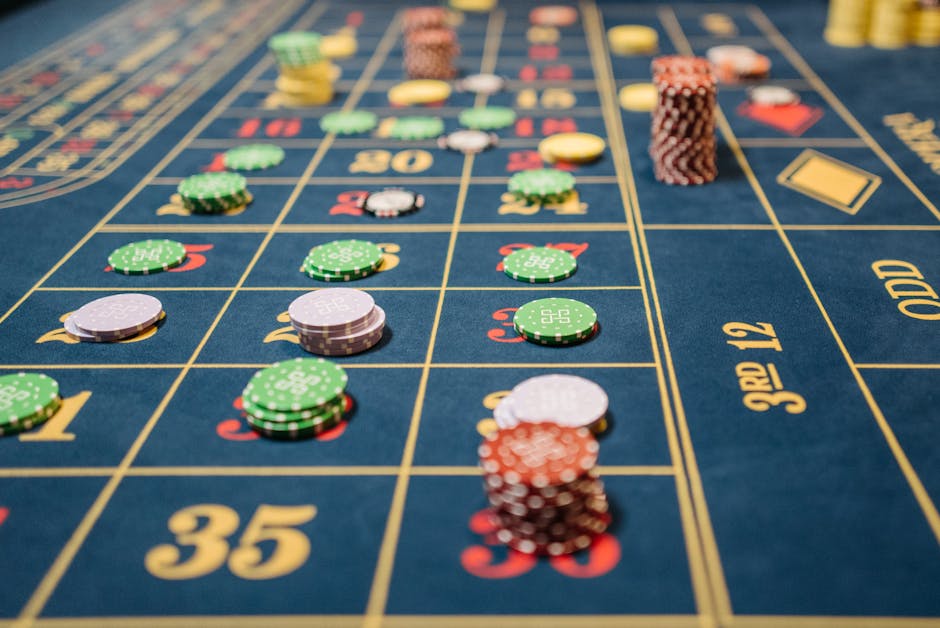
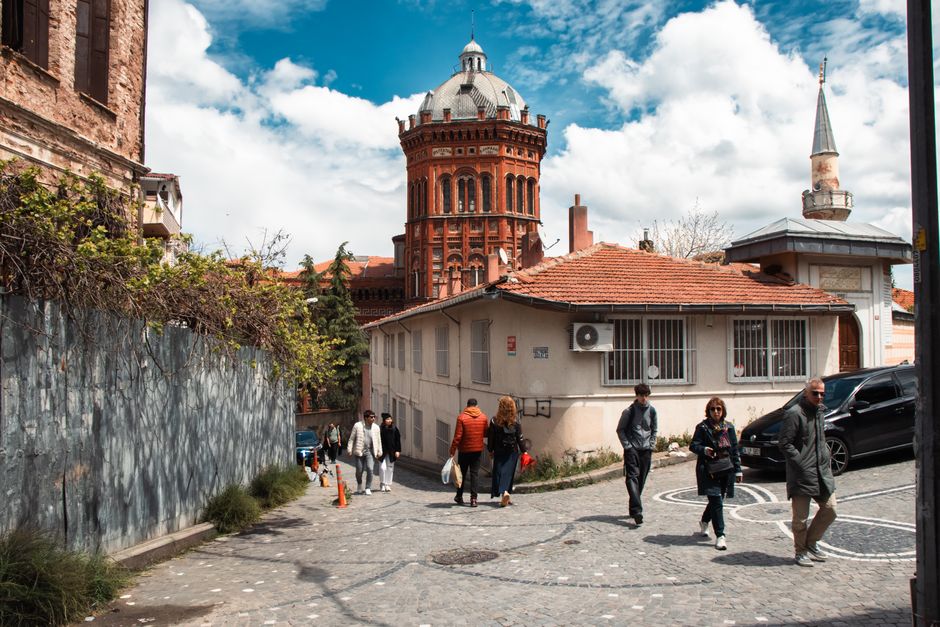
In this post, we will explore the signs that nightlife neighborhoods are transforming under the influence of tourism. By referencing insightful perspectives from BBC Travel and examining the evolving entertainment models such as mr Q live casino, we will untangle how local culture shifts, tourism changing neighborhoods, and the blending of historic theatre districts with new https://highstylife.com/is-mr-q-live-casino-licensed-in-the-uk/ performance styles shape these urban areas.
Nightlife Districts as Cultural Mirrors
Entertainment zones have always been a barometer of residents’ tastes, values, and social habits. They offer insight into the local culture through their choice of music, venues, food, and even architecture.
Local Flavor vs. Tourist Appeal
One primary sign that tourism is reshaping a nightlife district is a palpable shift from venues that cater largely to locals toward more tourist-friendly enterprises. Traditional pubs serving neighborhood regulars might be replaced or supplemented by flashy cocktail bars, themed restaurants, or international chains designed to catch the eye of visitors unfamiliar with local customs or tastes.
BBC Travel often highlights this in their urban destination features, noting how vibrant nightlife scenes evolve into hybrid zones where local identity is sometimes diluted as business owners cater to visitor spending habits and “safe” entertainment options.
Local Identity Expressed Through Leisure
Leisure activities are a crucial medium through which neighborhoods The original source express their local identity. Whether it’s rooftop jazz, street food vendors, or underground clubs, these cultural expressions create an intimate connection with place. When a nightlife district undergoes a cultural shift due to tourism, these leisure options may change dramatically.
Signs of Leisure Shifts Linked to Tourism:
- Standardization of Offerings: A move towards predictable menus, “Instagrammable” aesthetics, and familiar genres of music that appeal broadly to tourists rather than the eclectic tastes of locals. Increased Commercialization: More advertisements targeting short-term visitors, frequent occurrence of ticketed and packaged events replacing spontaneous community gatherings. Loss of Authentic Local Events: Traditional festivals, pop-ups, or local artist performances may be scaled back or commercialized to better fit tourist schedules and expectations.
History and Architecture Shaping Nightlife Zones
Historic architecture and the past lives of buildings play a pivotal role in forming the character of nightlife districts. Theatre districts, for instance, may have grown around old playhouses, literary cafes, or music halls that have survived decades if not centuries.
Changing Architectural Use and Its Impacts
When tourism creates strong demand for nightlife, historic buildings are sometimes repurposed in ways that prioritize commercial gain over cultural preservation. This can range from the conversion of old theatres into casinos or gaming hubs exemplified by mr Q live casino to the development of modern lounges inside renovated warehouses.
The structures themselves, while aesthetically preserved, may lose some of their intangible cultural significance. For example, a theatre district traditionally centered on live performance arts might become a hybrid entertainment zone catering to visitor expectations with diverse offerings including electronic music festivals, interactive gaming experiences, or multimedia shows.
Theatre Districts and Live Performance Culture
Theatre districts historically embody a city's commitment to live performance culture and artistic expression. Their transformation offers a clear lens through which shifts caused by tourism can be spotted.
Indicators of Tourism's Impact on Theatre Districts:
Programming Changes: Replacement of experimental or avant-garde performances with blockbuster productions that attract large numbers of tourists but sometimes lack local resonance. Ticket Pricing and Accessibility: Increased ticket prices that can price out local patrons, shifting the audience demographic primarily toward tourists and visitors. Commercial Sponsorship and Branding: Growing presence of corporate sponsorships that align theatre offerings with broader marketing campaigns driven by tourism boards or commercial entertainment partners. Integration with Other Entertainment Forms: Presence of adjoining venues such as live casinos like mr Q or gaming lounges, blending traditional theatre with new spectacle-oriented entertainments meeting diverse visitor expectations nightlife-wise.Balancing Tourism with Preservation and Local Engagement
The signs of nightlife districts influenced by tourism are not inherently negative. Visitor spending can revitalize declining neighborhoods, encourage preservation of architectural gems, and promote cultural exchange. However, without thoughtful management, the local culture shift can lead to loss of authenticity and community alienation.
Key strategies to maintain balance include:
- Community Involvement: Ensuring residents have a voice in how nightlife venues evolve and how tourist facilities are integrated. Supporting Local Artists: Creating affordable spaces and programming for local performers alongside tourist-oriented shows. Preserving Cultural Traditions: Retaining traditional leisure and entertainment offerings as anchor points within the evolving district. Mindful Architectural Development: Using adaptive reuse practices that respect historical integrity while accommodating new visitor demands.
Conclusion
Nightlife districts are dynamic entities shaped by history, culture, architecture, and increasingly, tourism. Recognizing the signs tourism is changing a neighborhood—from shifts in local culture to the rise of entertainment venues like live casinos at mr Q, evolving performance programming in theatre districts, and architectural repurposing—enables communities and visitors alike to appreciate the complex interplay between preservation and progress.
Understanding these changes helps promote responsible tourism that celebrates rather than dilutes the authentic spirit of nightlife, ensuring that these districts remain vibrant cultural mirrors both for locals and visitors.
For more insights on how travel shapes urban culture and nightlife, explore the well-researched stories on BBC Travel.