After a decade of coordinating flight operations and spending the better part of the last five years living out of an overhead bin, I have learned one immutable truth: if you don’t plan your carry-on contents with surgical precision, the airport will eat you alive. My philosophy is simple—if it isn’t in my single, TSA-compliant zip pouch, it doesn’t exist. This includes my supplement kit, which is where the conversation about CBD usually starts.
When I’m prepping for a red-eye or a quick turnaround to a time zone that doesn’t agree with my internal clock, I don't need a suitcase full of "just in case" bottles that I’ll never open. I need data. Specifically, I need to know exactly how much CBD I’m getting per dropper. Let’s break down the math of the standard 30ml bottle, because if you're like me, you don't have time for vague dosing when the plane is delayed on the tarmac.
Understanding the 30ml Bottle Math
When you buy a standard 30ml bottle, you are looking at a classic aviation-style operations problem: capacity versus density. A standard CBD dropper bottle is calibrated to hold 30 milliliters of liquid. To understand CBD dosage servings, you have to look past the marketing fluff on the front of the bottle and flip to the third-party lab results / certificate of analysis (COA).
Most tinctures are designed to provide between 30 to 60 servings CBD per bottle. Here is how that math breaks down in the real world:
Serving Size Amount in ml Approx. Servings Per 30ml Bottle Full Dropper 1.0 ml 30 Servings Half Dropper 0.5 ml 60 Servings Quarter Dropper 0.25 ml 120 Servings (Micro-dosing)Before you commit to a long-haul flight, I always advise testing your dosage on a short, 90-minute hop first. Do not be the person who tries a new concentration of CBD over the Atlantic and realizes mid-flight that it isn't working—or worse, that it makes you feel groggy when you need to navigate customs.
The TSA Liquids Rule Check
Because I spend my life in security lines, I’ll say this once: A standard 30ml bottle is roughly 1 fluid ounce. It is well within the TSA’s 3.4-ounce (100ml) liquid limit. Keep it in your clear quart-sized zip pouch. If you try to sneak it in a baggie inside a baggie inside your carry-on, you’re just asking for a manual bag search that will delay you further. Keep your liquids accessible, people.
Stress, the Nervous System, and 30,000 Feet
Travel is an assault on the nervous system. Between the boarding announcements, the crying babies, and the constant hum of the jet engine, your autonomic nervous system is essentially red-lining before you even hit cruising altitude. I’ve read through various studies via NIH / NCBI (PubMed Central) regarding the endocannabinoid system’s role in stress regulation, and the consensus for frequent travelers is clear: consistency beats intensity.
I rely on brands like Joy Organics for their transparency because I can pull up their COA on my phone while waiting at the gate. I know exactly what I am putting in my body. Unlike the vague advice you get from travel blogs that simply say "stay hydrated," I want you to understand the environment: aircraft cabins operate at roughly 10% to 20% relative humidity. That is dryer than the Sahara. If you are taking tinctures and not managing your hydration, you aren't just thirsty—your mucosal membranes are failing, and your body is struggling to process supplements efficiently.
The "Hydration" Trap
Everyone tells you to drink water. They don't tell you that drinking tap water at 30,000 feet often passes right through you without intracellular absorption. To actually regulate your nervous system alongside your CBD intake, you need electrolytes. If you aren't replacing the sodium, magnesium, and potassium lost in that recycled desert air, your CBD dosage servings will feel significantly less effective. I keep a few electrolyte packets in that same zip pouch alongside my tincture.
Sleep Quality: Why Less is Often More
The travel industry loves to push melatonin. You see them everywhere: 10mg, 20mg "mega-dose" sleep gummies. As someone who has spent a decade navigating red-eyes, let me tell you: melatonin megadoses are a trap. They leave you with a "hangover" effect that ruins your first day in a new country.
Research published in The Permanente Journal highlights the importance of circadian rhythm alignment. Megadosing melatonin disrupts your body’s natural production of the hormone, leaving you jet-lagged for days. Instead, I use a consistent, lower-dose CBD regimen. It doesn't "knock you out" like a sledgehammer; it modulates the nervous system so you can reach a resting state naturally, even in a noisy hotel room in a city you don't recognize.
A Traveler's Protocol for Sleep
Two hours before landing: Take your baseline CBD dose. Hydrate: One bottle of water with an electrolyte tab (essential for cabin humidity recovery). Blackout: Use an eye mask. No amount of CBD can fix a light-polluted hotel room. The Reset: Upon arrival, get sunlight immediately. This is the only way to anchor your circadian rhythm to the new time zone.Why You Should Avoid "Overstuffed" Packing Lists
I see travel influencers with packing lists that include three different types of tinctures, ten essential oils, and a meditation gong. Don’t do this. My travel kit is comprised of:
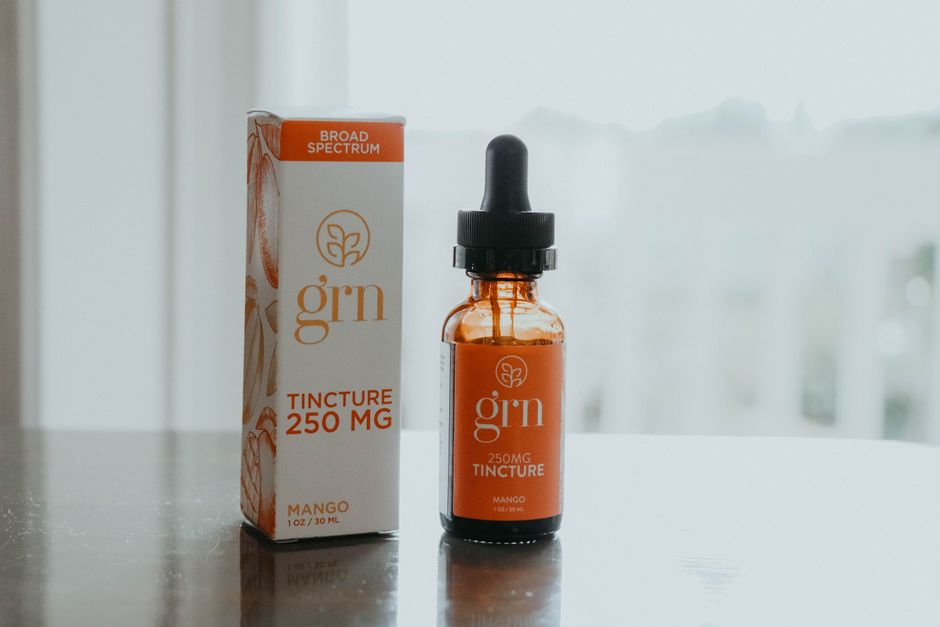
- One 30ml CBD tincture (tested, verified via COA). Four electrolyte packets. One sleep mask. Noise-canceling earplugs.
That’s it. By keeping my supply minimal, I know exactly when I am running low. If you have 60 servings in a 30ml bottle, and you take one serving daily, you have a two-month supply. If you are a casual traveler, that one bottle will last you all summer. Don't weigh your bag down with inventory you won't use.

Conclusion
Whether you are aiming for staying healthy while traveling for work 30 to 60 servings CBD, the success of your travel experience depends on how well you integrate these tools into your actual life. Don't look for a miracle cure for jet lag or stress. Look for consistency, prioritize verified lab results, and for the love of all that is holy, keep your liquids in one accessible pouch. You’ll thank me when you're sailing through security while the person behind you is frantically unzipping their carry-on to find a misplaced bottle.
Remember: The best travel gear is the gear you actually use, and the best travel health strategy is the one that respects the biology of your nervous system, even when the air pressure says otherwise.