I’ve spent 12 years walking Florida rooftops. From the salt-sprayed eaves of St. Petersburg to the wind-battered suburbs of Fort Lauderdale, I’ve seen it all. I’ve stood on roofs next to insurance adjusters while a homeowner watched, praying for a claim approval, only to see them get absolutely fleeced by a contractor who promised the moon and delivered nothing but a lien on their property.
If a knock comes at your door twenty minutes after a thunderstorm, and the person standing there tells you they are "experts" who can "handle the entire claim process for you," take a deep breath. Close the door, walk back to your kitchen, and read this. Because if you sign with preventing salt air roof damage the first person who promises to take the "burden" off your shoulders, you aren’t just inviting a contractor onto your roof—you are inviting a world of financial and legal pain into your life.
The Anatomy of a High-Pressure Sales Trap
There is a specific breed of contractor that thrives in the Florida storm season. They don't want to show you their portfolio; they want to show you their "success rate" with insurance adjusters. They use high pressure sales tactics designed to trigger your panic response. They’ll tell you that your roof is "one storm away from total collapse" or that your insurance company is "underpaying everyone in the neighborhood, but we have the secret to get the full amount."
Here is the reality: A reputable contractor has a backlog. They don't need to canvass door-to-door after a storm because their clients come from referrals and their business is built on reputation. When you sign a contract with a "storm chaser," you are often signing an Assignment of Benefits (AOB) or a contingency contract that effectively gives them control over your insurance proceeds. If they inflate the estimate or perform shoddy work, you are the one legally tied to the insurance company and the property records.
Florida’s Unique Climate: El Niño, Rain, and Decay
We need to talk about why Florida roofs fail, and it isn't always because of a Category 4 hurricane. Florida's roof aging is a game of attrition. We are currently navigating volatile weather patterns, including the impacts of El Niño. While El Niño can sometimes suppress major hurricane activity in the Atlantic, it brings something equally destructive: persistent, heavy rainfall and sustained moisture.
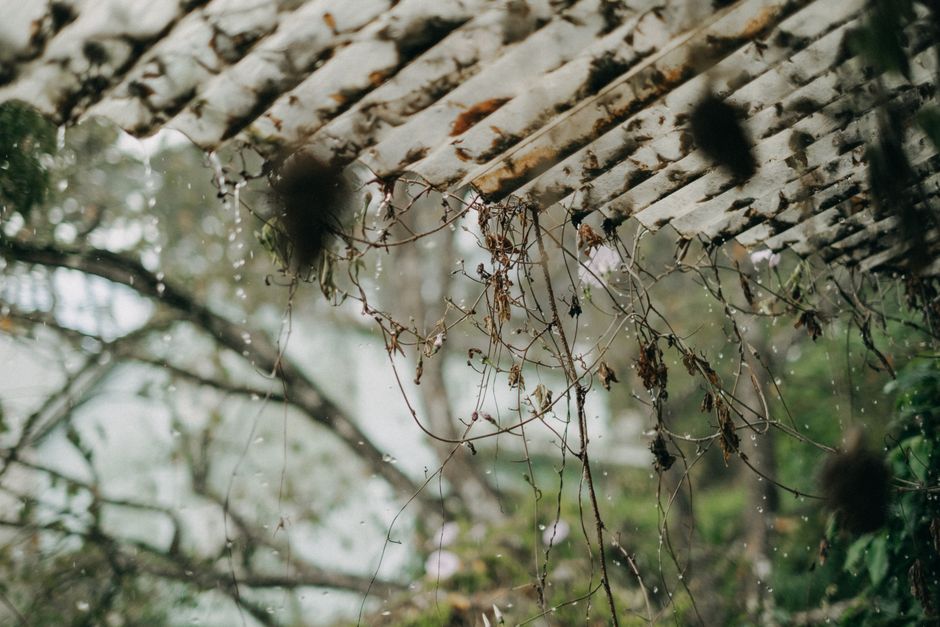
Florida homes suffer from "repeated saturation." If your shingles are aging, they lose their granular finish. Once that grit is gone, the asphalt underneath is exposed to the intense Florida UV index. It cracks. When those heavy El Niño-fueled rains hit, that water doesn't always result in a giant ceiling leak. It leads to slow leak damage—the kind that rots your roof decking, invites mold into your attic, and compromises your home's structure over months, not days. This type of damage is notoriously difficult to claim, and the wrong contractor will try to paint "normal wear and tear" as "storm damage," which is a fast track to claim denial.

The Aging Thresholds: Why Age Matters
Insurance carriers in Florida have become incredibly rigid regarding roof age. If you are dealing with a claim, you need to understand where your roof sits in its lifecycle. Most carriers look at these benchmarks:
Roof Age Insurance Perspective 0–10 Years Considered "New." High-quality claims are straightforward. 15 Years The "Yellow Flag" zone. Expect carriers to demand a 4-point inspection. 20 Years The "Danger Zone." Many carriers will refuse to renew your policy unless a full replacement is performed. 25+ Years Generally deemed "Uninsurable." You are likely looking at a total replacement cost out of pocket if the carrier forces it.How to Actually Verify Your Contractor (Don't Skip This)
Before you let anyone on your property, you need to perform your due diligence. Do not take their word for it. Do not rely on a slick-looking polo shirt or a wrapped truck. Follow these three steps:
Check the DBPR License: Every legitimate roofing contractor in Florida must be licensed by the Department of Business and Professional Regulation (DBPR). Go to the official Florida DBPR license lookup. Enter their name or company. If they aren't there, or if the license is inactive or associated with a completely different business type, kick them off your porch immediately. Verify Insurance Eligibility: If you are insured by Citizens Property Insurance Corporation, they have strict guidelines on roof replacements and materials. Check their Citizens eligibility guidance page. A good roofer will know these requirements inside and out. If the roofer is pushing for materials or methods that don't align with state-backed requirements, they are setting you up for a future cancellation notice. Ask for a Physical Address: A business that "handles claims" but only operates out of a PO Box or a temporary local office set up for the storm season is a massive red flag. Choose an established roofer who has had a physical office in your county for at least five years.The Dangers of the "Claim Specialist" Pitch
When a roofer says they are a "claim specialist," they are walking a very thin legal line. In Florida, only a licensed Public Adjuster (PA) or an attorney can legally negotiate a claim on your behalf for a fee. Many roofers act as de-facto adjusters without the license, which is a major roof claim contractor warning sign. They are incentivized to drive up the scope of work to ensure their profit margin, regardless of whether the work is truly necessary or covered under your policy.
I have sat in on carrier-required inspections where a homeowner’s contractor tried to bully an adjuster into including a full replacement for a roof that clearly only had localized damage. The adjuster, tired of the combativeness, shut the inspection down, and the homeowner—who had already signed an agreement—was left holding the best shingles for Florida sun bill for the inspection, the legal fees, and the non-payment of the claim.
Final Advice: Protecting Your Home
If you suspect you have storm damage, your first call should not be to a door-knocker. Your first call should be to your insurance agent. Ask them what your policy covers and if you are eligible for an inspection. Then, find a local, well-reviewed contractor—one who has been in business for a decade or more—and pay for an independent, third-party inspection.
It might cost you $200–$300 for that independent inspection, but it is the best insurance policy you can buy against being scammed. A professional who isn't trying to "get the claim approved" for a contingency fee will give you an honest assessment of your roof's integrity. They won't pressure you. They won't ask you to sign a contract before they’ve even looked at your attic insulation or your roof deck.
The aftermath of a storm is stressful enough. Don't let your desire for a quick fix lead you into a multi-year battle with your insurance company or a predatory contractor. Slow down, verify, and always, *always* keep control of your own claim.