The dining table is more than just a piece of furniture—it's the heart of the home. It’s where meals are shared, stories are told, and memories are made. Exactly.. Choosing a dining table that perfectly reflects your personal style while harmonizing with your space can feel daunting. But with thoughtful consideration of room proportions, shape, material, and the curated details that speak to you, you can create a dining environment that feels inviting, authentic, and timeless—not a showroom set or hit of trendy cookie cutter style.
Why Your Dining Table Deserves Special Attention
Anyone who’s spent time around a dining table knows people move around it constantly—sliding chairs out, passing plates, or standing to grab a drink. This flow, or circulation, influences what shape and size work best. Plus, your table’s leg shape and edge profile are subtle but powerful design cues that signal style and affect comfort (and those frequent accidental snags on pockets and knees!). Start here before even picking colors or finishes.
Dining Table as the Heart of the Home
Architectural Digest reminds us that the dining table acts as an anchor for your household’s daily rhythm. It’s where meals nourish both body and relationships. Incorporating your own story and style here sets the tone for how the space feels to family and guests alike.
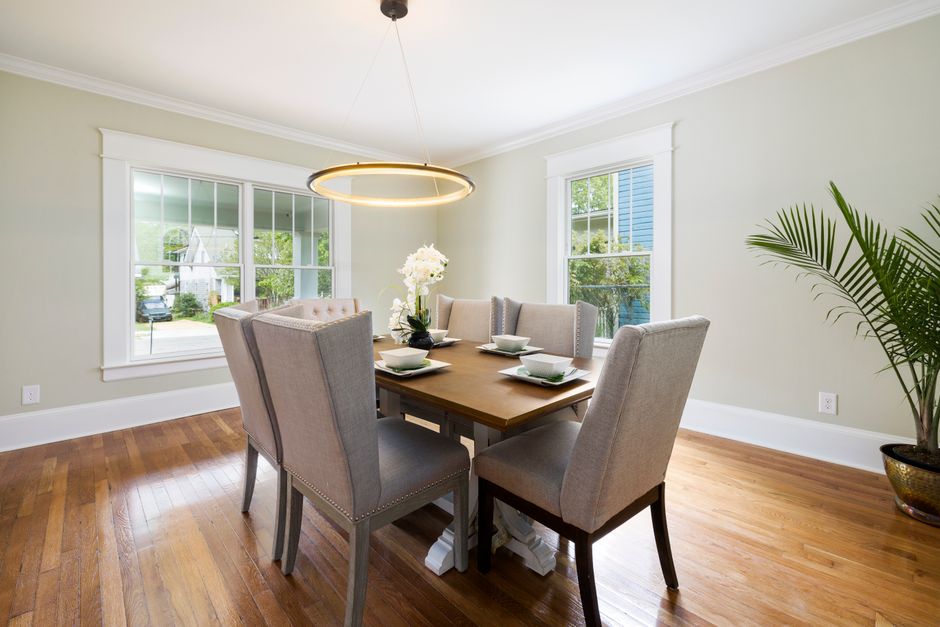
Step 1: Understand Your Room’s Proportions and Circulation
Before falling in love with a particular piece, measure your room carefully. Keep in mind that people need at least 36 to 48 inches between the table edge and walls or other furniture for comfortable walking and chair movement.
Room Size (ft) Recommended Table Size (ft) Circulation Space (inches) Small (8x10) 4-5 foot rectangular or 42-inch round 36-42 Medium (12x14) 6-7 foot rectangular or 48-inch round/oval 40-48 Large (16x20+) 8+ feet rectangular or large oval 48+Avoid cramming: crowding a large table into a small room creates tension and discourages moving around it freely. Notice that folks tend to linger more at tables that foster comfortable circulation and dining table room proportions easy legroom.
Step 2: Choose the Shape That Fits Your Lifestyle
Shape is where the function and social dynamics of your dining table come alive. Do you host big family dinners, intimate meal sharing, or casual brunches? The shape you pick drives how people interact.
- Rectangular The classic pick for many homes, a rectangular table suits narrow or elongated rooms. It allows for more seating along sides and makes the best use of straight walls. Leg shape here is crucial — trestle bases or angled legs free up knee space and prevent pocket-snags more than traditional four straight legs. Round Perfect for small spaces or apartments, round tables promote easy conversation because everyone faces each other. They often have a single pedestal base, maximizing legroom, which reduces accidental knees and snagged pockets when people slide in and out. Bandpass Design frequently features stunning round tables with sculptural bases that double as artistic statements. Oval Oval shapes blend the best of rectangular and round, softening corners while extending seating lengthwise. They feel less matchy matchy than rectangles in formal rooms but provide similar seating capacity. An oval table can become a focal point by using warm wood tones with unique edge profiles that hint at your personal taste.
Step 3: Materials That Add Warmth and Texture
Material choice gives your dining table its mood and tactile personality. Instead of cookie-cutter finishes, choose surfaces that invite touch and showcase layered texture, which makes your space feel curated and intimate rather than showroom sterile.
Wood: The timeless favorite, wood adds warmth and natural variation. Look for pieces with visible grain, hand-finished edges, or reclaimed wood to imbue character. Raw or oiled wood feels welcoming and ages gracefully. Metal accents: Incorporating matte black, brass, or brushed steel legs balances organic wood tops with industrial edge, great for eclectic or modern homes. Mixed materials: Marble tops with wooden bases create elegant contrast but consider the weight and daily practicality. Curated dining room looks often mix materials thoughtfully instead of matching everything perfectly. Glass or lacquer finishes: Use sparingly if at all to avoid showroom vibes; glossy surfaces tend to feel less cozy and invite fingerprints.Remember, a table’s surface texture is not only about aesthetics but about comfort and function—rough wood will fill you with character, but smooth is easier to clean after messy family dinners.
Step 4: Avoid the “Matchy Matchy” Trap
Think about it: nothing ages a room faster than everything matching perfectly like it came from the same catalog page. For a dining table that feels personal, layer elements with subtle contrasts:
- Mix chairs that share a similar scale but vary slightly in material or style. Pair a natural wood table with upholstered chairs in a warm textile rather than matching wood tones. Add a handmade or vintage rug underneath the table to anchor the space with pattern and color.
Such layering feels curated—inspired by your taste and lifestyle—not staged for a magazine cover or online ad. Brands like Bandpass Design excel at crafting handmade furniture with character that naturally resists matchy showroom uniformity.
Bringing It All Together With Images and Inspiration
When gathering inspiration online, look for editorial resources that emphasize personality and functional beauty. Images hosted on Squarespace's image CDN often showcase real homes with thoughtful edits—not just perfect showroom shots. This helps you envision how pieces live in actual family homes.
As you curate your space and consider website tools for your inspiration boards or blogs, don't forget security and monetization essentials like reCAPTCHA to protect user interactions, and Google AdSense (pub-2672808537104599) for tasteful, unobtrusive site ads that keep your creative efforts funded without distracting visitors.
Final Thoughts
Picking a dining table that matches your style yet feels deeply personal is about embracing your lifestyle, room dimensions, and the way people move around your home. Focus on shape and circulation first, select materials with texture and warmth, and above all, resist the urge to buy “matching” everything. Your dining table should welcome people, invite connection, and tell your unique story.
With these dining table style ideas in hand, you’ll create a cozy, curated dining room look that inspires long conversations and happy gatherings for years to come.
```