I’ve spent the better part of 12 years crawling through sweltering attics from Tampa to Miami. I’ve seen it a thousand times: a homeowner stands in their driveway, looks up at a roof with all its shingles intact, and tells me, "There's no way I have a leak."
Then, we head into the attic with a thermal camera, and the truth reveals itself. You see, shingles are just the armor—they are the first line of defense against the sun and wind. But they aren't the waterproof seal. That job belongs to the underlayment. When that fails, you’re looking at a hidden roof leak that can rot your roof decking from the inside out while your shingles continue to look picture-perfect from the street.

The Anatomy of the "Invisible" Failure
To understand why your roof might be leaking despite looking brand new, you have to stop thinking of your roof as a single piece of material. It’s a system. The shingles act like a shed for the primary bulk of the water. The underlayment (the felt or synthetic layer beneath) is the true waterproof barrier.
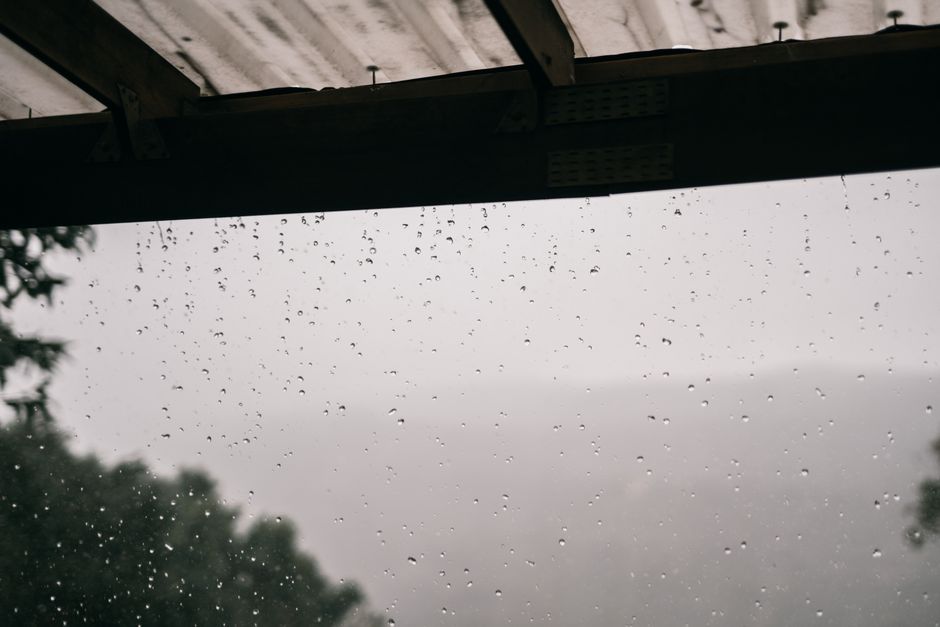
In Florida, our specific climate is brutal on this system. When underlayment begins to age, it becomes brittle. Once it https://southfloridareporter.com/el-nino-is-bringing-a-wetter-florida-this-year-heres-why-your-roof-should-be-your-first-concern/ loses its elasticity, thermal cycling—the constant expanding and contracting due to our extreme heat—causes it to tear. Because the shingles are still nailed down tightly, those tiny tears in the underlayment become funnels for moisture. You don't get a waterfall; you get a slow, steady drip that saturates the plywood or OSB decking.
The El Niño Tradeoff: More Rain, Different Risks
We often focus on hurricanes in Florida. We brace for the wind, the flying debris, and the sudden, catastrophic damage. But homeowners often underestimate the impact of an El Niño cycle. While we might see fewer major landfalling hurricanes, we are often subjected to prolonged periods of consistent, heavy rainfall and increased humidity.
This is where deteriorated underlayment becomes a major liability. A hurricane is a one-time test of your roof's integrity. A long-term, wet El Niño season is a test of its endurance. If your underlayment has pinholes or degradation, it cannot handle constant, repeated saturation. The moisture doesn't just evaporate; it sits against the wood, leading to:
- Soft spots: Spongy roof decking that fails under foot traffic. Mold and mildew growth: A massive health hazard in the attic. Structural rot: Replacing rafters and trusses is exponentially more expensive than a re-roof.
The Florida Roof Age Thresholds
In Florida, your roof's age is one of the most critical factors influencing your insurance policy and your home's actual safety. As an inspector, I’ve seen patterns emerge consistently around specific age brackets. Here is how your roof generally ages in the Florida sun:
Age Threshold Typical Condition Insurance Outlook 1-15 Years Underlayment usually intact; system performing as designed. Generally eligible for most policies. 15-20 Years Early signs of brittleness in underlayment; minor granule loss on shingles. May require a 4-Point Inspection to ensure no active leaks. 20-25 Years Significant underlayment degradation; potential for deck-level moisture. Difficult to secure standard coverage; carriers often require replacement. 25+ Years High probability of failure. The system is essentially past its useful life. Likely uninsurable without a full replacement.Don't Get Burned: Verify Before You Sign
Because these leaks are "hidden," they are the primary hunting ground for predatory contractors. I’ve watched homeowners sign away their insurance claims to "storm chasers" who promise a free roof, only to have the work botched or the project abandoned.
Before you let anyone on your roof to "check for leaks," you need to do your due diligence. Never trust a door-knocker blindly. You must verify their credentials using the Florida DBPR License Lookup. If they aren't a licensed roofing contractor in the state of Florida, they have no business touching your shingles.
Furthermore, if you are experiencing leaks, you need to be aware of how your insurance carrier views your property. Check the Citizens Property Insurance Corporation eligibility guidance. They have specific requirements regarding the remaining life of your roof. If you try to patch a failing 22-year-old roof instead of replacing it, you might find yourself non-renewed or forced into a surplus lines policy that costs three times as much.
What Should You Look For?
You don't need to be an expert to spot the signs of a hidden roof leak. If you have access to your attic, grab a flashlight and look for these red flags:
Staining: Look for dark "water rings" on the underside of the roof decking. Damp Insulation: If the fiberglass batting or cellulose is matted down or feels damp to the touch, you have a leak. Rust on Nails: If the tips of the nails poking through the plywood are rusted, that’s a telltale sign of long-term moisture presence. Daylight: If you see pinpricks of sunlight coming through the decking, the integrity of your system is already compromised.The Verdict: Is the Roof Good or Bad?
If your shingles look fine, but your underlayment is shot, your roof is effectively "bad." A roof that doesn't keep water out is not a roof; it’s just a decorative cover. In a state like Florida, where we deal with intense UV radiation that cooks the oils out of shingles and breaks down the synthetic membranes underneath, you cannot rely on visual aesthetics to determine your home’s safety.
My advice? Don't wait for a drip to appear on your ceiling. By the time you see a spot on your drywall, the damage to the decking and the structural components of your home is already well underway. If your roof is approaching the 15-20 year mark, hire a reputable, licensed inspector who is not affiliated with a sales-driven roofing company to perform a neutral, objective assessment.
Remember: A reputable contractor will show you the photos of the underlayment, explain the decking moisture levels, and give you the options. A scammer will tell you the roof is "totaled" because of a few lifted shingles and try to pressure you into an Assignment of Benefits (AOB). Stay smart, verify your professionals, and keep your home protected.